 1
 2
 3
 4
 5

How International Students Receive Money from Home and Get Paid in Korea: Bank Account, Inbound Transfers and Fees (2026)
Step-by-step for international students in Korea: open a bank account, receive transfers from family abroad (SWIFT, remittance apps, foreign currency accounts), get part-time wages paid, and avoid limits, name mismatches and hidden FX costs. Official sources only.
 By CampusDown Korea5 people read this
11 min readHere's the straightforward rundown.
Quick answer (checked 2 Nov 2026, KST): To receive money from home or get paid in Korea, you need a Korean bank account in your own name, usually opened with your ARC (some banks open accounts with a passport and admission papers, with restrictions). Family abroad can send by international wire (SWIFT) or through a licensed remittance app; employers pay wages by domestic transfer. New accounts often start with low daily transaction limits until you prove the account’s purpose (for example with a student ID or employment contract). Fees and exchange rates differ by bank and app, so compare the total amount received, not the advertised fee.
Tuition is due, your parents want to send money, and your first part-time paycheck is coming. All three need the same thing: a working Korean account with your correct name and enough limit to receive and use the money.
👉 Jump to open the account, receive from abroad, get paid, limits or FAQ.
🏦 Step 1 is always the account. Our existing guides cover documents and bank choice in detail.
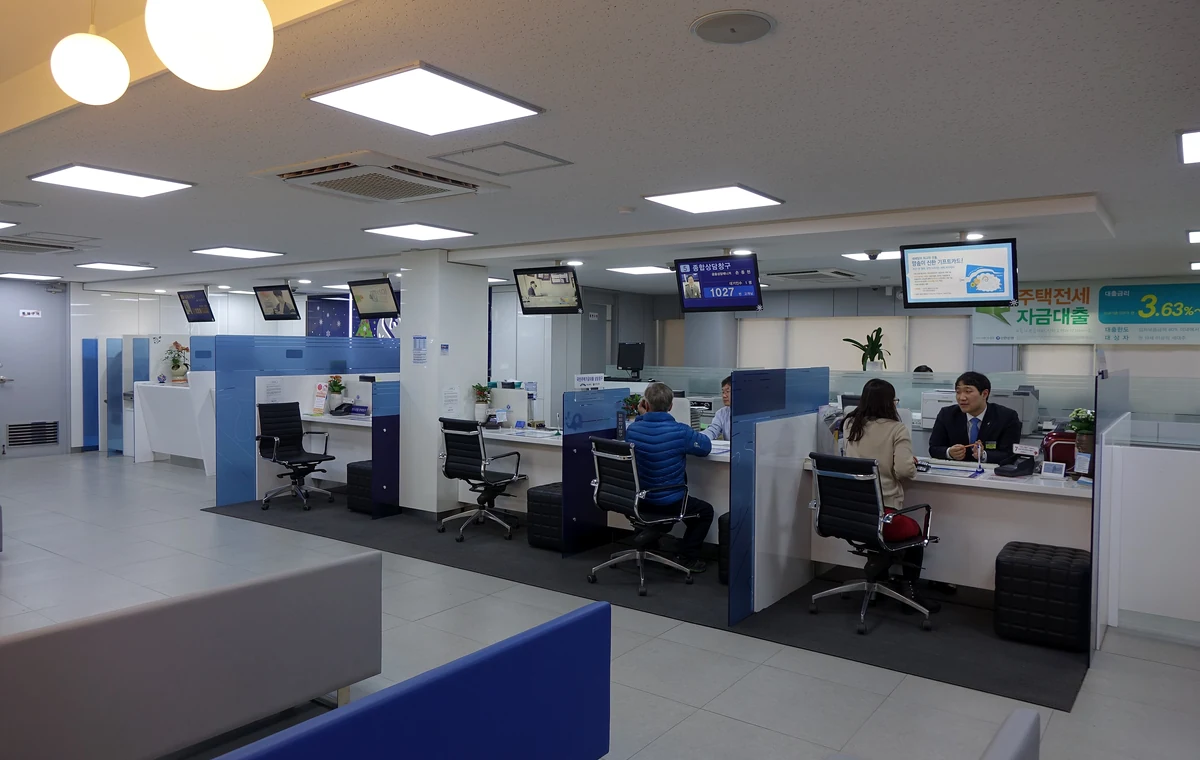
Bring your passport, ARC (or proof you applied), student ID or certificate of enrollment, and a Korean phone number. Requirements differ by bank and branch.
Open the account the right way
- Choose a bank near campus or the one your university partners with; many have international desks.
- Bring documents: passport, ARC, student ID or enrollment certificate, phone number. Some banks also ask for an address in Korea.
- Explain the purpose: “student living expenses and tuition” and, if relevant, “part-time wages”.
- Set up the mobile app and online banking at the counter; it is harder later.
- Ask for the bank’s SWIFT code and the English name and address of the branch, for transfers from abroad.
| Item | Why you need it |
|---|---|
| Account number | Domestic transfers and wages |
| Name exactly as on ARC | Transfers can be held if names do not match |
| Bank SWIFT/BIC code | International wires from home |
| Branch name and address in English | Some foreign banks ask for it |
| Mobile banking app | Checking incoming money and limits |
Profile card · The name mismatch
YOUR PASSPORT SAYS ONE THING, THE TRANSFER SAYS ANOTHER.
Your father types your first name only. The incoming wire sits in the bank’s queue while the bank asks you to confirm who you are.
Send your family your exact name as written on your ARC.
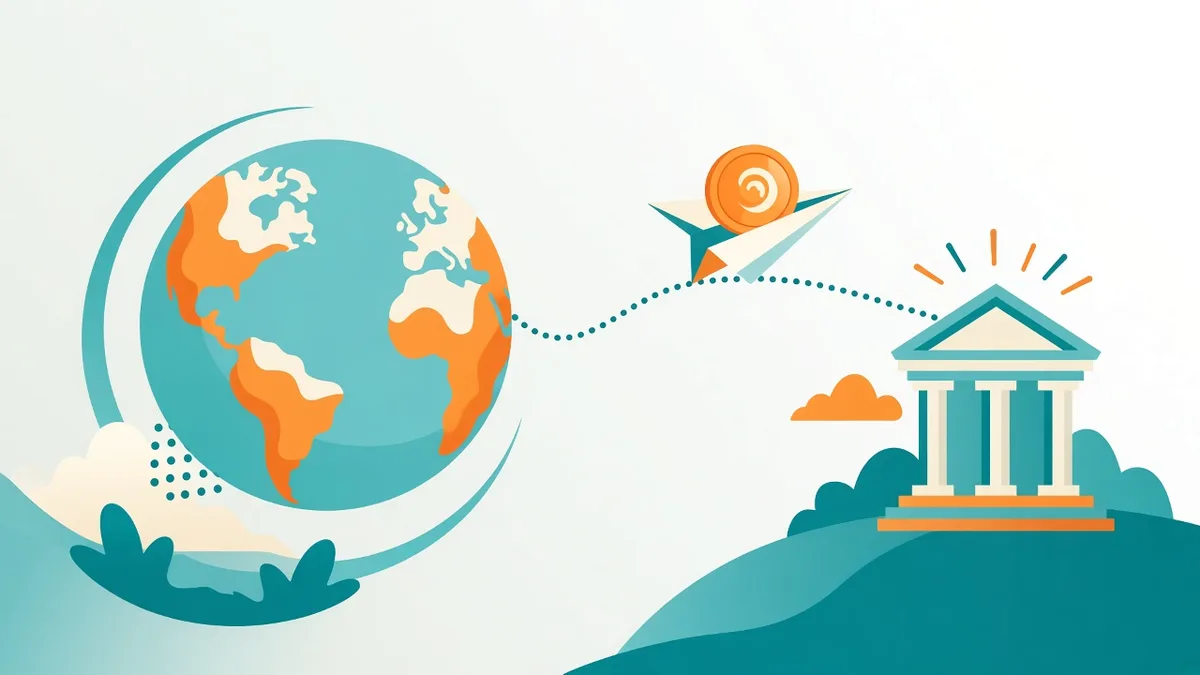
Receiving money from abroad: three routes
| Route | How it works | Watch for |
|---|---|---|
| International wire (SWIFT) | Sender’s bank sends to your Korean bank with SWIFT code | Sending fee, intermediary fees, receiving fee, FX margin |
| Licensed remittance app | Sender pays in home currency; app delivers won | Check the app is licensed and supports your corridor |
| Foreign currency account | Receive in USD or other currency; convert when you choose | Conversion spread when you change to won |
Our remittance app comparison and Sentbe vs Wise mostly cover sending money out of Korea, but the same companies and cost logic apply in reverse. A foreign currency account can help if you receive large sums in dollars and want to time the conversion.
💱 Compare the total, not the fee. A “zero fee” transfer can hide a wide exchange-rate margin.
Ask your family to compare how many won actually arrive, using the same amount on the same day.
When the bank asks questions
Banks in Korea follow foreign exchange and anti-money-laundering rules. For incoming transfers, especially larger ones, the bank may ask the purpose (tuition, living expenses) and sometimes for supporting documents such as a tuition bill or enrollment certificate. This is normal. Thresholds and requirements are set by the bank and regulations; ask your branch rather than relying on forum numbers.
- Keep tuition invoices and enrollment certificates handy.
- Use the same sender name each time if possible.
- Large or unusual patterns get more questions; that is not an accusation.
Getting paid for part-time work
- Employers pay wages by transfer into your own account. Never let anyone pay you through someone else’s account.
- Check your payslip against the deposit; see our tax guide for student workers.
- You need a part-time work permit before your first shift.
- If your ARC is near expiry, banking can be restricted: read banking near ARC expiry.
- Pay must be at least the minimum wage.
💼 Working while studying? Wages, permits and tax are linked; set them up together.
Year-end tax settlement can return part of the tax withheld from your pay, so keep every payslip.
Account limits for new customers
Many new accounts in Korea start as limited accounts with low daily withdrawal and transfer limits, to stop accounts being used for fraud. Limits can usually be raised by showing proof of purpose, such as a student certificate, employment contract or payslip. Ask your bank exactly which document lifts the limit.
- Plan large payments (rent deposits, tuition) ahead of time.
- Pay tuition through the university’s official virtual account or the method it lists.
- Never share your OTP, card or password: account lending is a crime.
What students say (themes)
Not a survey: recurring themes from student communities.
- 👎 New-account limits are the biggest surprise.
- 👎 Intermediary bank fees eat into wires.
- 👍 Remittance apps are often cheaper and faster for family transfers.
- 👍 International desks at campus branches make setup easier.
📚 More money setup. Once money arrives, you need a card to spend it.
Until your Korean account works fully, a home card at global ATMs can bridge the gap.
Step by step: your first inbound transfer
- Get your account details in English from your bank app or branch: your name exactly as registered, account number, bank’s English name, branch address and SWIFT code.
- Tell the sender to use your name exactly as on the account, including the order of family and given names. Mismatches cause delays or returns.
- Ask the sender to state the purpose (for example living expenses or tuition). Banks may ask about the purpose of incoming foreign funds.
- Watch for a call or app notification from your bank. For larger or first-time transfers, the bank may need you to confirm the source of funds before crediting it.
- Check the amount credited against what was sent, and note any intermediary or receiving fee.
- Keep the transfer record, especially if you will need bank statements later for a visa extension or proof of funds.
Where fees hide
| Fee point | Who charges it | How to reduce it |
|---|---|---|
| Sending fee | Sender’s bank or app | Compare remittance apps and banks before sending |
| Exchange-rate margin | Sender or receiver, depending on currency | Compare the rate offered with the mid-market rate |
| Intermediary bank fee | Correspondent banks in SWIFT transfers | Ask the sender about “OUR” vs “SHA” options; use apps with local payout |
| Receiving fee | Your Korean bank, for some foreign transfers | Check your bank’s current fee table |
| Conversion into won | Your bank, if received in foreign currency | Consider a foreign currency account and convert when rates suit you |
We do not list fee amounts because they change and differ by bank; check each bank’s published fee schedule.
🏦 Choose where the money lands. The right receiving account can cut costs on every transfer.
If family sends money every month, a few minutes of comparison can save a meaningful amount over a full degree.
Why records of incoming money matter for your visa
For D-2 and D-4 extensions or changes, immigration may ask for proof that you can support yourself. Regular, documented transfers from family, plus a bank balance certificate, are often part of that picture. Keep transfers in your own name to your own account, avoid cash deposits you cannot explain, and download statements before visiting immigration. See our D-2 visa documents guide for what is typically asked.
Receiving wages from a part-time job
- Employers should pay wages into an account in your own name.
- Keep payslips; they also help with year-end tax settlement and any severance questions.
- Never let an employer use your account for other money flows.
- Check the current minimum wage on our minimum wage page.
When an account gets restricted
Korean banks can restrict accounts when an ARC expires, when unusual activity is detected, or when an account is linked to a fraud report. If your transfer does not arrive or your account is frozen, contact your bank first with your ARC and passport, and see our guide to banking near ARC expiry. Never accept money from strangers into your account; it can make your account part of a fraud chain even if you did nothing else.
🧭 More money & insurance guides for international students
Insurance, banking, cards and loans, explained with official sources.
How we handle numbers: we only quote figures published by an official body (NHIS, the Financial Supervisory Service, the law). Insurance premiums, card fees and loan rates change and differ by person, so where no official figure exists we say “check current” and point you to the source.
Sources
- Bank of Korea and Ministry of Economy and Finance: Foreign Exchange Transactions Act (purpose and documents for cross-border transfers).
- Financial Supervisory Service (fss.or.kr): limited accounts and account-lending warnings.
- Korea Federation of Banks (kfb.or.kr): foreign customer banking information.
- HiKorea, Immigration Contact Center 1345.
FAQ: receiving money in Korea as an international student
Can I open a bank account without an ARC?
Some banks allow it with a passport and admission documents, with restrictions. Most services are easier with an ARC.
What do my parents need to send money?
Your exact name as on your ARC, your account number, bank name, SWIFT code and branch address.
Why is my account limited?
New accounts often start with low limits to prevent fraud. Show proof of purpose to raise them.
Is a remittance app or a bank wire cheaper?
It depends on the corridor and day. Compare how many won arrive for the same amount.
Can my employer pay me in cash or into a friend’s account?
Use your own account. It protects your pay record and avoids legal trouble.
ℹ️ This article is general information, not legal advice. Rules and procedures can change — check the official sources linked above for the latest details.
Was this worth your time?
Tap a star to rate it. One vote per reader.
No ratings yet. Be the first.
💬 Comments
- Be the first to comment.